Why Retinol Never Faded Your Dark Spots at 45 — and the acid most drugstore brands leave out
Four acids fade and prevent, but it's tranexamic acid that targets stubborn discoloration retinol can't touch — here's the chemistry that changes the math.
Claim offer →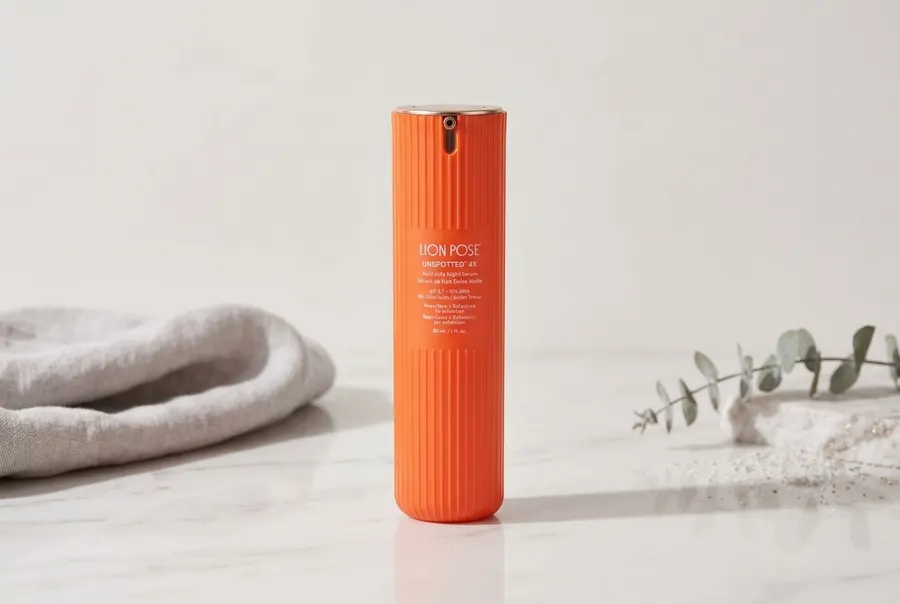
You've done everything right. Consistent retinol, even when your cheeks flaked. The vitamin C serum that cost more than your dinner. Maybe a tretinoin script your doctor swore by.
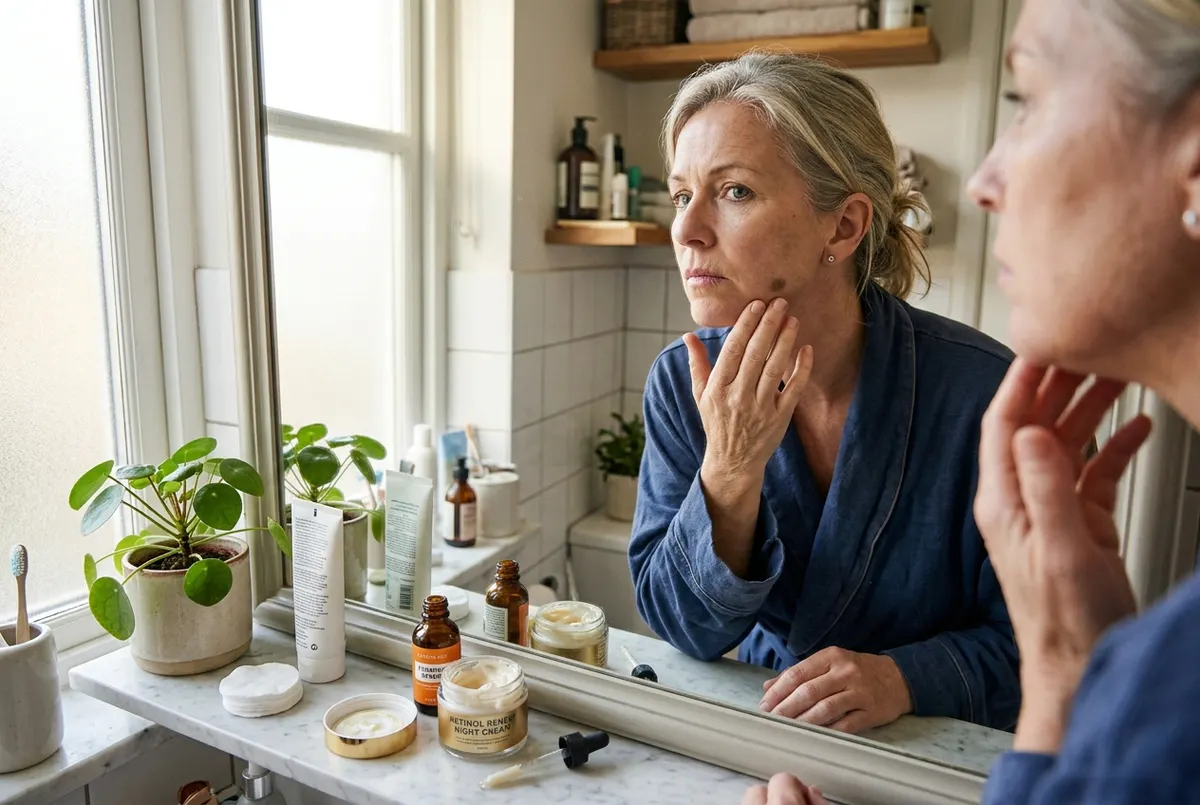
And still — that dark patch by your temple hasn't moved. You catch it in the bathroom mirror under harsh light and feel the same small sink in your chest. Years of effort. The spot stayed.
Why does the stubborn spot never budge?
Here's what nobody told you at 45: the discoloration that showed up this decade is a different animal than fine lines.
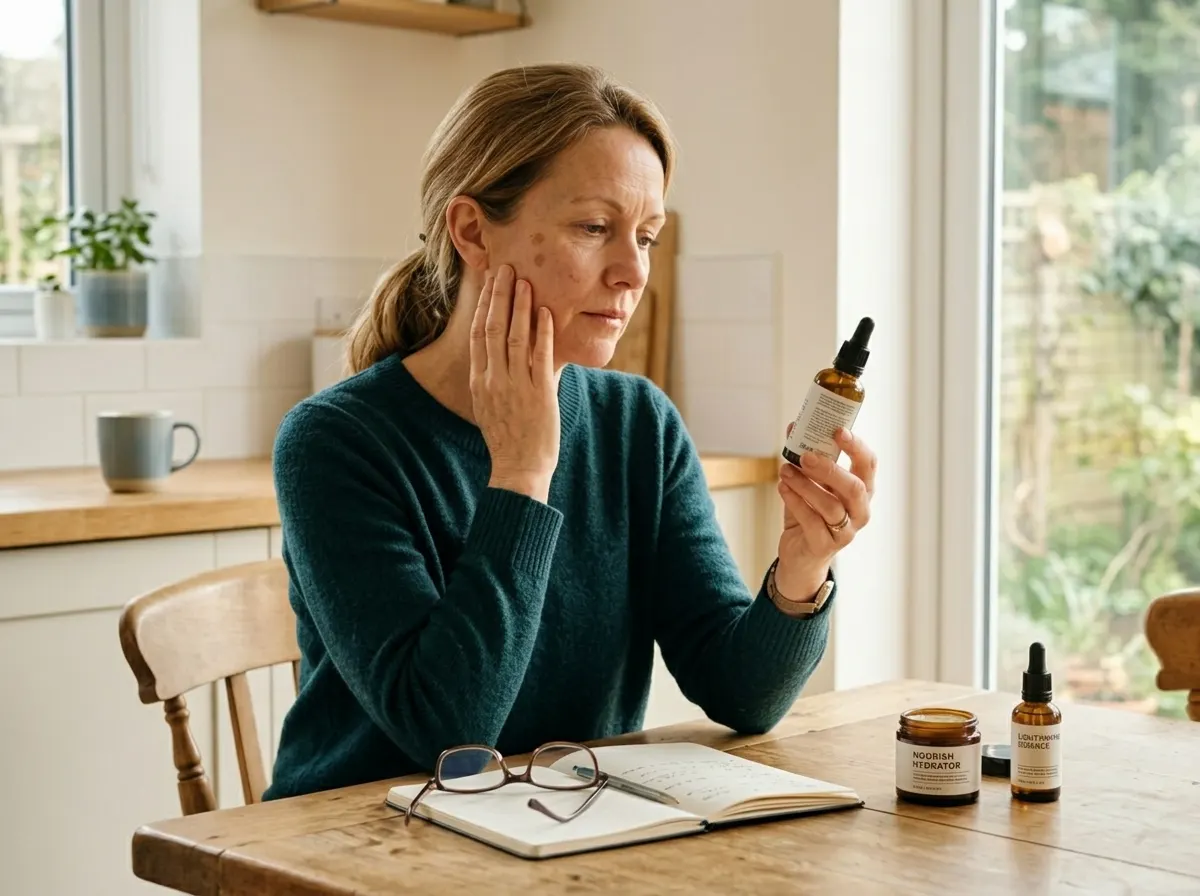
Retinol speeds up how fast your skin sheds and rebuilds. That's real, and it helps texture. But a sun spot or an age spot isn't a surface problem — it's extra pigment packed deep in the skin, and it keeps getting made.
So you fade the top a little, the skin makes more, and the spot wins the war of attrition. You're not failing the routine. The routine was never aimed at the actual target.
So, what is retinol actually missing?
Call it the pigment gap — the one step most routines skip entirely.
To truly fade a dark spot, you have to do two things at once: break up the pigment that's already there, and stop your skin from making more.
Retinol and vitamin C mostly chip at the first job. Neither one tells your skin to quit producing the pigment in the first place.
That second job belongs to tranexamic acid — the ingredient that calms the signal telling your skin to darken. Most drugstore brands leave it out because it's harder to formulate and costs more. It's the missing piece. So you keep buying products that fight half the battle.
Close the pigment gap, and the spot finally loses its supply line.
What finally puts tranexamic acid to work?
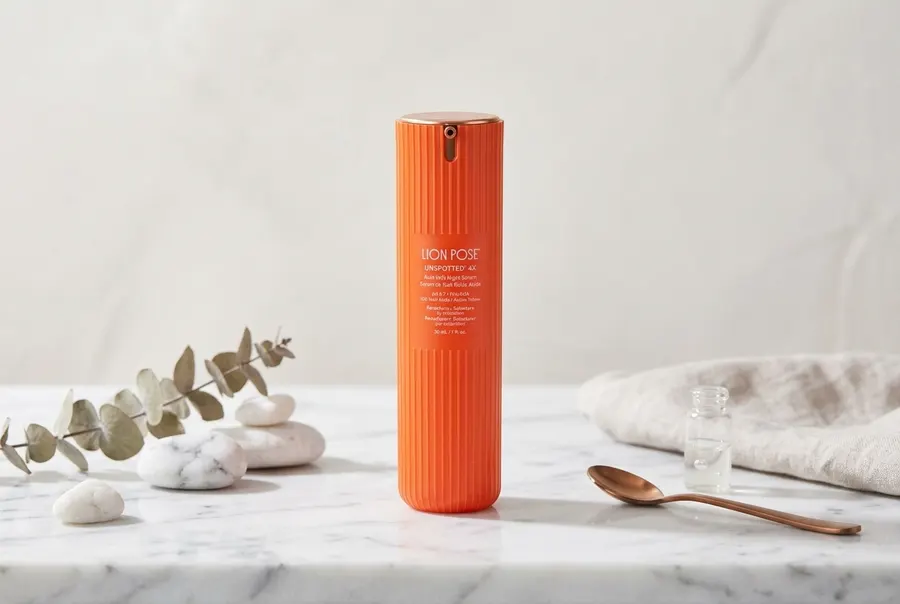
That's the whole idea behind the Welcome Bundle 3-Step Routine, built by Harvard-trained dermatologists to close the pigment gap instead of ignoring it.
At its center is a 15% four-acid blend — glycolic and lactic to lift the pigment that's already there, plus the tranexamic and azelaic acid that tells your skin to stop making more.
Fade and prevent, in the same bottle.
Then it rebuilds what years of harsh actives wore down. The cream uses vegan bio-placenta peptides (tiny protein messengers that signal your skin to repair its outer layer) — and in testing, every single participant saw barrier improvement.
And unlike most spot treatments, it was clinically tested across all skin tones, not just the palest ones. If you've wondered whether something was proven to work on your skin, this is the rare line that can actually answer you.
What changes when the right acid goes in?
Fading a spot is only half of it. The real shift comes when the same routine stops new pigment, rebuilds the barrier retinol thinned out, and shields your skin from the sun that started the spots in the first place.
What makes this formula work?
Four acids do the heavy lifting on discoloration, and each one has a job. Glutathione guards against new damage, and vegan bio-placenta peptides repair the barrier so the actives never leave your skin raw.
Why women at 45 are switching
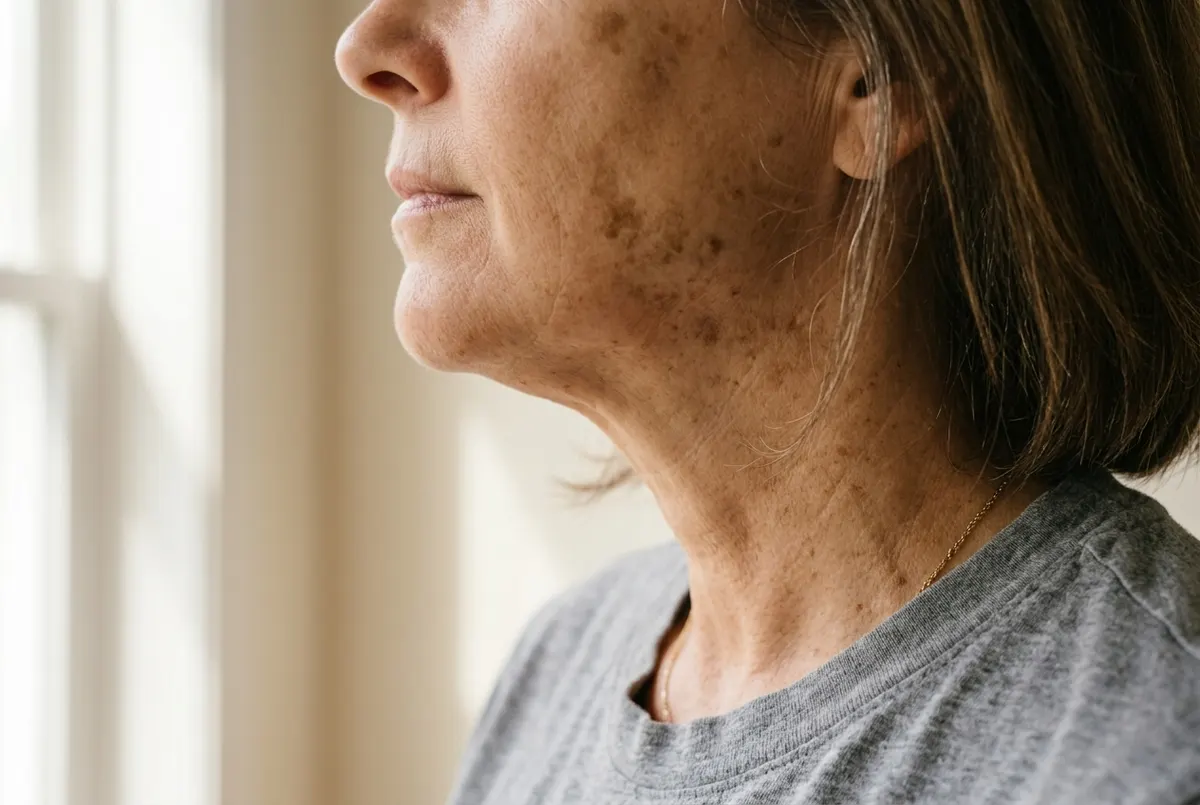
Tranexamic Acid tackles the spots retinol misses
While retinol focuses on cell turnover alone, tranexamic acid—part of this 15% acid blend—directly inhibits melanin production at its source. A Harvard-trained dermatologist team formulated this to address the specific frustration: actives that smooth texture but leave discoloration untouched. Ninety-four percent of users saw dark spot reduction within 4 weeks.
See dark spot results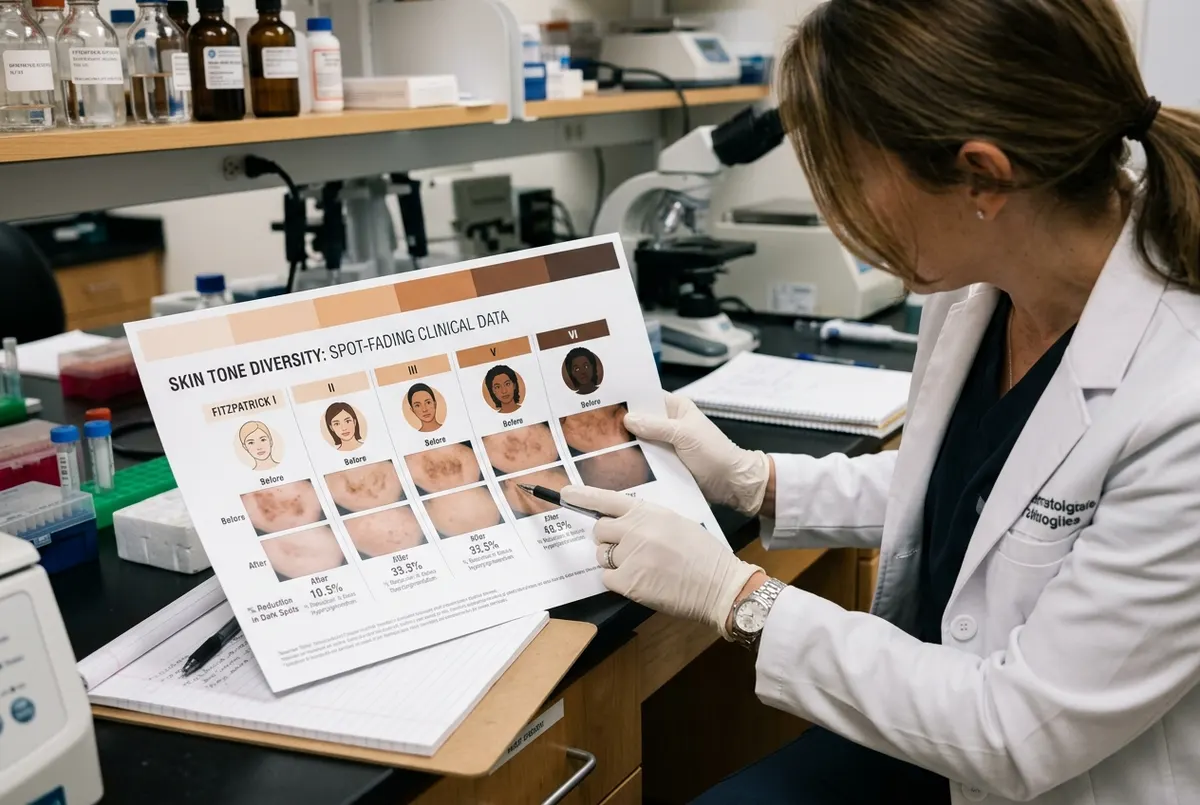
Clinically proven on darker skin tones—not just fair skin
Most skincare testing uses Fitzpatrick I-III skin only. This brand published third-party results across all six skin tones (I-VI), proving the 4-acid system works on deeper complexions without triggering irritation or uneven fading. For women 45+ who've been told actives 'don't work' on their skin, this removes the guesswork: the data is yours.
Review clinical data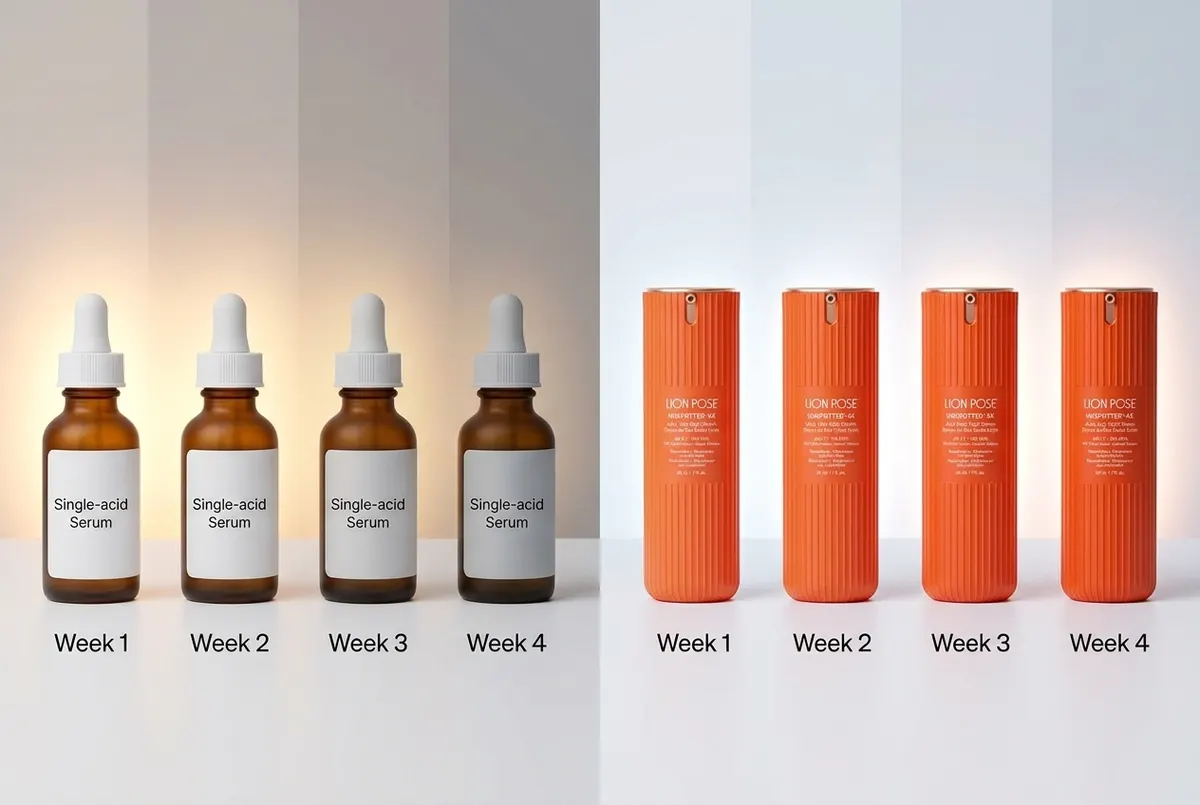
Why drugstore acids fall short
Cheaper acid products use single actives at low percentages; they work initially, then plateau because they address only one mechanism of hyperpigmentation. This 15% blend layers four acids—azelaic, glycolic, lactic, and tranexamic—each targeting a different driver of discoloration. Ninety-seven percent saw visible improvement sustained over eight weeks, not a temporary effect.
Compare formulation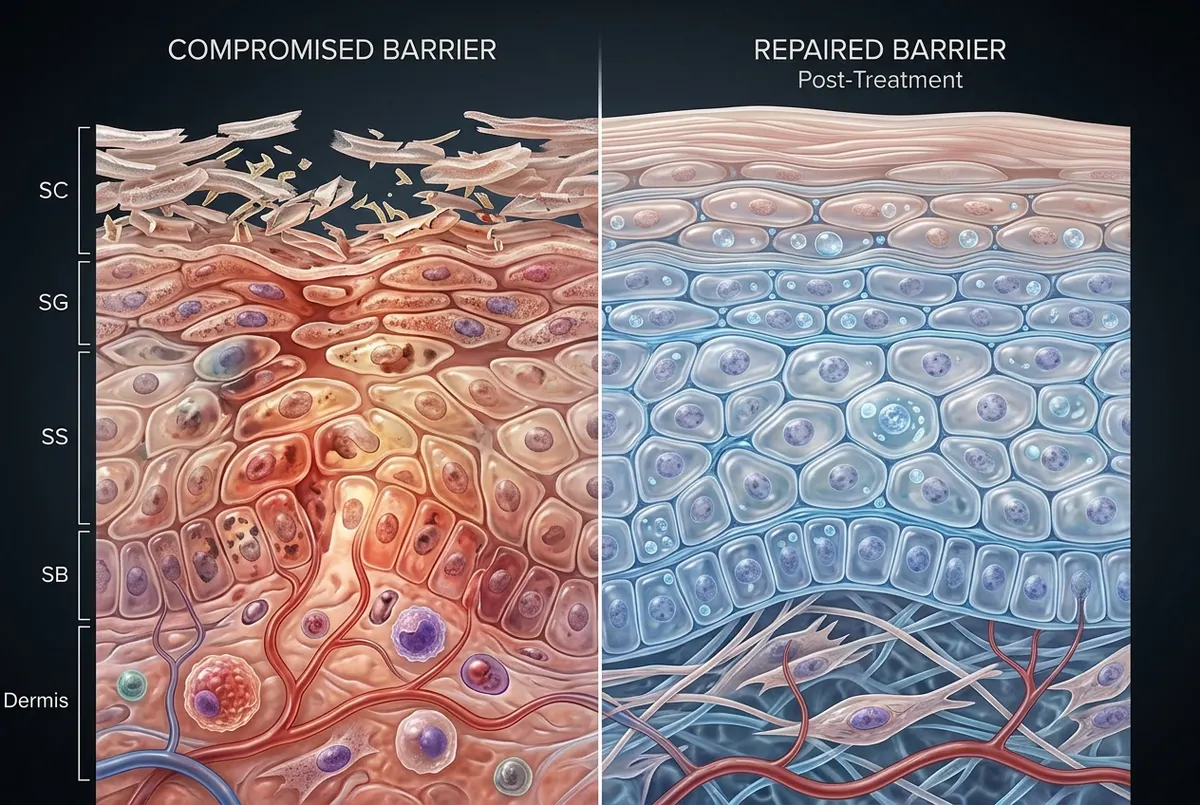
Barrier repair that retinol alone cannot deliver
Retinol irritates because it does not repair the barrier it disrupts. This routine adds vegan bio-placenta peptides and a triple lipid complex—ingredients that mimic human growth factors—to seal in hydration while acids work. One hundred percent of participants saw skin barrier improvement, with hydration increasing by 133% after eight weeks. The result: actives that fade spots without the raw, sensitized feeling.
Discover barrier support
Mineral SPF 42 that doesn't erase skin tone with white cast
Hyperpigmentation worsens under sun exposure, so SPF is non-negotiable for anyone fading spots. Most mineral sunscreens use titanium dioxide or zinc oxide that leave a chalky veil—defeating the point of evening tone. This formula uses Super Zinc non-nano technology to deliver non-chemical broad-spectrum SPF 42 with zero white cast, so skin tone looks natural while spots are protected from re-darkening.
Protect without white castHow long until you notice a difference?
Fading pigment is a slow science, not an overnight trick. The research maps a clear path: texture and tone shift first, then the dark spots themselves begin to shrink over the following weeks.
Is it really better than the alternatives?
A drugstore glycolic toner and a solo vitamin C serum both fight part of the battle. The difference here is what they leave out — and whether anyone ever proved the product works on a skin tone like yours.
| Welcome Bundle 3-Step Routine | Drugstore Acid Serums | |
|---|---|---|
| Tested on darker skin tones | ✓ All Fitzpatrick I-VI | Rarely |
| Active acid concentration | 15% 4-acid blend | ~2-10% single acid |
| Barrier repair ingredient | Vegan bio-placenta | Generic peptides |
| Clinical testing standard | 3rd party objective | Self-reported |
| SPF white cast | None—Super Zinc | Common issue |
Ready to Start?

Still wondering a few things?
The questions women ask before switching tend to repeat: will these acids sting skin that retinol already left sensitive? Was this proven on my tone? And why does it cost more than the bottle at the pharmacy?